
Dog treats can support training, strengthen your bond, and add variety. Choose snacks that are safe, appropriately sized, suited to your dog’s health, and counted in their daily food intake. For most healthy dogs, treats and extras should provide no more than 10% of daily calories; the rest should come from a complete and balanced diet.
Age, size, chewing style, activity, and health all affect snack choices. Puppies may need tiny, soft training treats; older dogs with dental problems may need softer options. Dogs with allergies, digestive conditions, pancreatitis, kidney disease, or prescription diets may need specific ingredients or stricter limits.
If your dog has a medical condition, is overweight, or eats a therapeutic diet, ask your veterinarian which treats fit the plan. A snack that is fine for one dog may be unsuitable for another.
Words such as “natural,” “premium,” or “gourmet” do not tell you everything about a treat’s nutritional value. Turn the package over and check the ingredient list, calorie information, feeding guidance, and any warnings.
Neither a short nor a long ingredient list guarantees quality. Consider the full product and your dog’s needs. Treats usually are not complete foods, so they should not displace much of your dog’s regular diet.
Treat calories add up quickly when several people offer rewards or training involves many repetitions. Keep treats, table food, and other extras at 10% or less of daily calories. Dogs managing their weight may need a lower limit; ask your veterinary team for a target.
For example, if a veterinarian estimates that your dog needs 500 calories a day, a 10% treat allowance would be 50 calories. That is a ceiling, not a goal. Check the package to see how many calories each treat contains, then measure the day’s portion in advance. If you train frequently, break treats into pea-sized pieces or use part of your dog’s regular kibble as rewards.
Keep a simple treat tally on the fridge or phone if multiple people feed your dog. This small habit can prevent well-meaning family members from accidentally doubling the daily amount.
Some plain fruits and vegetables can be convenient, lower-calorie alternatives to packaged treats. Introduce any new food in a small amount and watch for digestive upset. Wash produce, remove pits, seeds, cores, stems, and tough parts where appropriate, and serve it plain—without butter, salt, sauces, or seasoning.
| Snack option | How to serve it | Keep in mind |
|---|---|---|
| Carrot or cucumber | Wash and cut into manageable pieces. | Match the size to your dog to reduce choking risk. |
| Green beans | Offer plain, fresh or cooked pieces. | Avoid added salt, butter, or sauces. |
| Apple | Offer small slices after removing the core and seeds. | Do not give the seeds or core. |
| Blueberries or seedless watermelon | Serve a few small pieces; remove watermelon rind. | Fruit still contains sugar, so portions matter. |
| Plain cooked chicken | Offer small boneless pieces with no seasoning. | Avoid bones, skin-heavy portions, and rich sauces. |
These are occasional snacks, not substitutes for balanced dog food. Check with your veterinarian before adding fresh foods to a prescription diet.
Keep chocolate, grapes and raisins, onions, garlic, chives, macadamia nuts, alcohol, raw yeast dough, and products containing xylitol (found in some sugar-free foods and peanut butters) away from dogs. Check ingredient lists for risky additives.
Do not give cooked bones. Bones can splinter or cause choking, dental injuries, intestinal damage, or obstruction. Very hard chews—such as antlers, hooves, or objects that cannot yield under pressure—can also fracture teeth. Raw animal-based treats may carry harmful bacteria that affect pets and people, so discuss the risks and handling precautions with your veterinarian.
If your dog eats a potentially toxic food or develops concerning signs after eating a snack, contact your veterinarian or an animal poison-control service promptly. Do not wait for symptoms or try to induce vomiting unless a veterinary professional tells you to.
Use tiny, soft rewards that your dog can eat quickly. Save high-value treats for difficult skills or distracting settings, and count each reward toward the daily total.
Choose a chew suited to your dog’s size and chewing habits, and supervise use. Remove it if it becomes small enough to swallow or develops sharp edges. Food puzzle toys can also make part of a measured meal more engaging without adding extra calories.
Try lower-calorie treats, kibble, or veterinarian-approved vegetables. Ask your veterinary team for a calorie target; do not sharply reduce meals or replace balanced food with snacks.
Choosing better dog snacks is about making small, informed decisions consistently. Check the label, choose a safe texture, keep portions modest, and avoid toxic foods and risky chews. When your dog has a health condition or follows a special diet, let your veterinarian help you choose treats that support—not undermine—their nutrition plan.
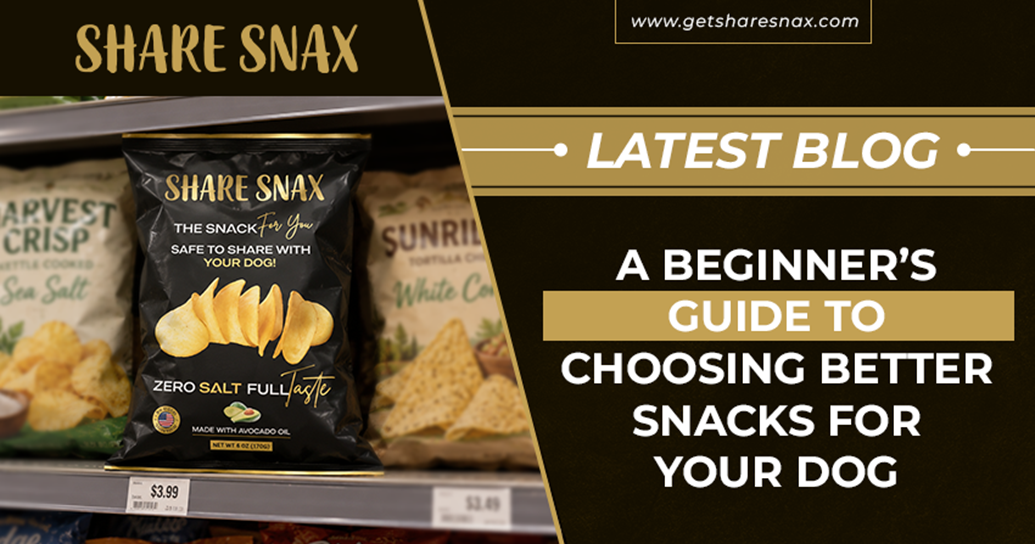
Celebrate the bond between humans and dogs. Join our community of dog lovers and be among the first to try the world’s first snack made for you, safe to share with your dog.
Share Snax. Operated by Concat Ecom, LLC
