
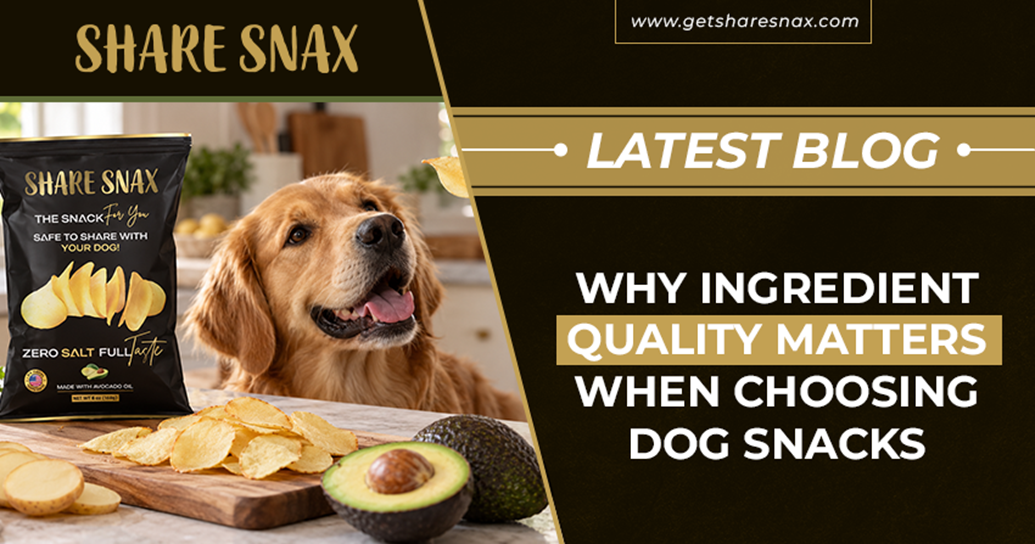
Dog snacks can do more than reward good behavior. Used thoughtfully, they support training, enrichment, and the bond you share with your dog. But ingredients and product quality matter: treats contribute calories, may trigger food sensitivities, and can pose choking or food-safety risks if they are unsuitable for your pet. The best dog snacks are not necessarily the most expensive or those with the flashiest packaging. Look for a clearly labeled product from an identifiable manufacturer, suitable for your dog’s age and health, and fed in sensible portions.
A practical starting point is to read the label, check calories, consider your dog’s individual needs, and keep treats to about 10% or less of daily calories. The rest should come from a complete and balanced diet. The World Small Animal Veterinary Association (WSAVA) recommends counting treats as part of the overall feeding plan.
Ingredient quality is about more than whether a package says “natural,” “premium,” or “human-grade.” It includes ingredient identity, nutritional value, manufacturing controls, traceability, storage stability, and whether the snack suits the dog eating it.
A useful label identifies ingredients, provides feeding guidance, lists the manufacturer or distributor, and offers contact details. In the United States, the FDA requires animal foods to be safe, produced under sanitary conditions, free of harmful substances, and truthfully labeled. State feed-control officials also play a role in pet-food regulation. Labels are helpful, but they cannot guarantee that a treat is right for every dog.
Treats add calories even when they look small. A few high-calorie snacks each day can gradually contribute to weight gain, particularly for small dogs. Choosing treats with calorie information makes it easier to plan portions and account for training rewards. WSAVA advises that treats should make up no more than 10% of a dog’s daily calorie intake, although a veterinarian may recommend a different plan for individual circumstances.
Some dogs experience adverse food reactions that can involve skin or digestive signs. A clear ingredient list helps owners avoid known problem ingredients and discuss suitable options with a veterinarian. However, ingredient lists alone cannot diagnose a food allergy, and a “limited ingredient” label does not guarantee that a product is suitable during a veterinary elimination diet.
Ingredient quality is only one part of safety. Treat size, shape, and hardness also matter. Very hard chews can damage teeth, while small or brittle pieces can create choking risks. WSAVA warns against bones, antlers, hooves, and other excessively hard chews because they can cause dental injury, obstruction, or other harm. Choose a texture and size that fit your dog’s chewing style, and supervise chewing.
Treats can be contaminated with harmful bacteria. The FDA advises careful handling, handwashing, and appropriate storage. Raw animal-based treats may carry additional foodborne risks for pets and people. Buy products with intact packaging, follow storage directions, and discard treats that are moldy, damaged, or unusually odorous.
Use the package as a decision tool, not just a marketing brochure. Check the intended use and feeding directions, then review the ingredients, calorie information, manufacturer details, and storage guidance.
| Label detail | What to check | Why it matters |
|---|---|---|
| Ingredient list | Recognizable names and known allergens | Helps screen for ingredients your dog should avoid |
| Calories per treat | Calories per piece or serving | Makes portions easier to manage |
| Feeding directions | Recommended amount and age restrictions | Helps prevent overfeeding or unsuitable use |
| Manufacturer details | Company name and contact information | Provides a contact for questions or concerns |
| Storage and expiration | Storage instructions, best-by date, package condition | Supports product quality and safer handling |
| Marketing claims | Terms such as natural, premium, or human-grade | Claims do not replace a full label and suitability check |
There is no single ingredient list that is best for every dog. Look for transparent labeling and a clear purpose, and be cautious with products that make exaggerated health claims or fail to identify a responsible manufacturer.
A treat that works for one dog may not suit another. Puppies may need small, soft treats appropriate for their developmental stage. Senior dogs or dogs with dental disease may need softer textures, depending on veterinary advice. Dogs with obesity, pancreatitis history, kidney disease, diabetes, food allergies, or other medical concerns may need treats selected with a veterinarian.
For training, choose tiny, low-calorie pieces so frequent rewards do not add too many calories. For enrichment, use an appropriately sized food puzzle or veterinarian-approved chew and supervise your dog. If a treat causes vomiting, diarrhea, itching, swelling, or other concerning signs, stop feeding it and contact your veterinarian. Breathing difficulty, collapse, or facial swelling requires urgent care.
A common guideline is to keep treats at 10% or less of a dog’s daily calorie intake, with at least 90% coming from a complete and balanced diet. The exact number depends on your dog’s calorie needs and the energy content of each snack. A small dog may have a much smaller treat allowance than a large, active dog. Count training rewards, dental chews, table scraps, and snacks given by other family members in the same daily total.
If you are unsure how many calories your dog should eat, ask your veterinarian. Calorie needs vary with age, activity, body condition, reproductive status, and health. Treat calories should be accounted for rather than simply added on top of regular meals.
Ingredient quality matters because dog snacks affect more than taste. Clear labels and reliable manufacturer information help you make informed choices, while calorie awareness, suitable texture, safe handling, and attention to your dog’s individual needs can reduce avoidable risks. Choose treats for a reason training, enrichment, or an occasional reward—and count them as part of the daily feeding plan.
If your dog has a medical condition, suspected food allergy, or history of digestive problems, consult your veterinarian before making a major change. The best snack is one your dog enjoys, can safely chew and digest, and can eat in an appropriate portion as part of a balanced diet.
Celebrate the bond between humans and dogs. Join our community of dog lovers and be among the first to try the world’s first snack made for you, safe to share with your dog.
Share Snax. Operated by Concat Ecom, LLC
